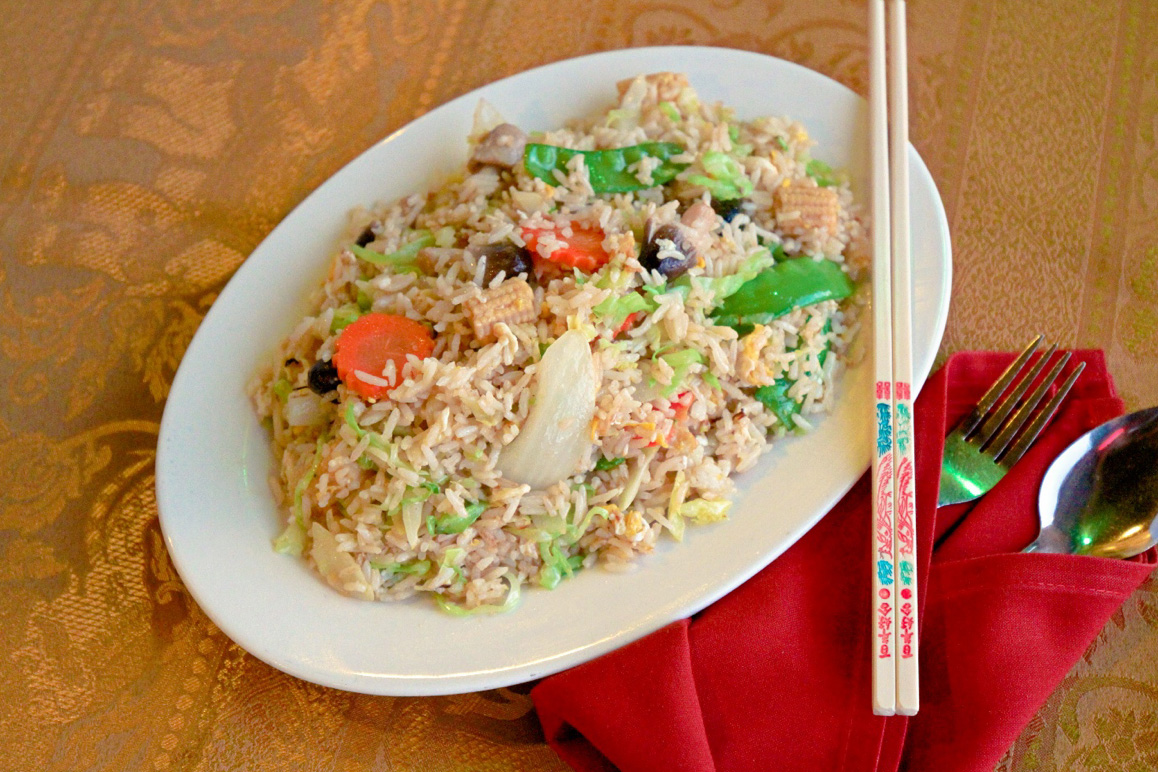
It may look simple. In fact, that simplicity is exactly why fried rice can reveal so much about a Chinese kitchen. A restaurant can have an enormous menu, premium ingredients, and beautifully presented entrées, but if it cannot make exceptional fried rice, can it really claim to be among the Best Chinese restaurants in Las Vegas?
Some of the greatest dishes in the world are built from surprisingly few ingredients. With fewer places to hide mistakes, technique becomes everything.
Cooking the Best Fried rice is a perfect example.
Rice, cooking oil, eggs, vegetables, proteins, seasonings, and the intense heat of a wok may sound straightforward. But transforming those ingredients into exceptional fried rice requires experience.
The rice should remain distinct rather than becoming wet or mushy. The ingredients need to be cooked quickly enough to preserve their individual textures while still becoming part of a unified dish. Seasoning should enhance the rice rather than overwhelm it.
And then there is the wok.
A properly seasoned Wok makes or breaks the Best Chinese Restaurant. A correctly heated Wok allows the skilled Chef to work quickly, tossing and stirring the ingredients over intense heat. That combination of heat, timing, movement, and seasoning can create the depth of flavor and aroma that distinguishes Great restaurant-quality fried rice from rice that has simply been mixed with ingredients in a pan.
That difference is difficult to describe—but very easy to taste.
Great Fried Rice Is About Balance
The best fried rice shouldn't taste primarily of soy sauce.
It shouldn't be pale white
It shouldn't be soggy.
It shouldn’t just taste salty.
You should be able to taste the rice itself. Egg should contribute richness. Vegetables should provide texture and freshness. Certified Angus Beef, shrimp, chicken, pork, or other proteins should complement the dish rather than dominate it.
And it shouldn't feel like an afterthought added to the menu simply because customers expect it.
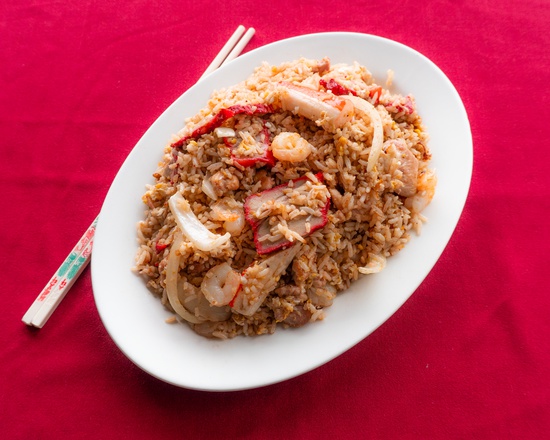
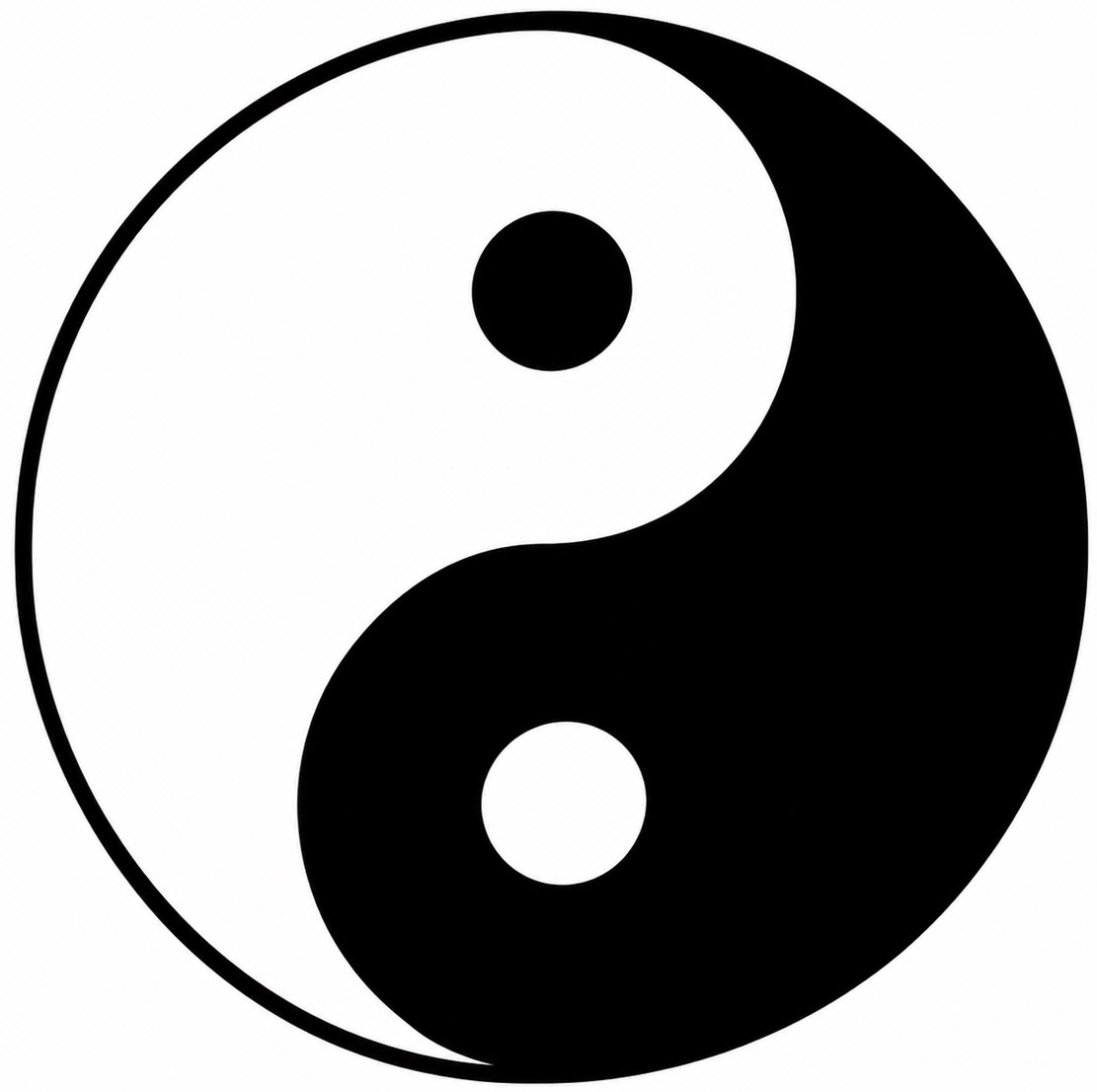
Exceptional fried rice is about balance. Like yin and yang—the ancient Chinese concept that opposing yet complementary forces work together to create harmony and balance—great Chinese cooking brings contrasting flavors, textures, aromas, and ingredients together so that no single element overwhelms the whole. Cooking the Best Combination Fried Rice may be the most delicious expression of yin and yang on the menu—a harmony of contrasting flavors, aromas, and textures brought together in one sizzling wok. Tender pieces of chicken mingle with sweet, smoky BBQ pork, succulent shrimp, and delicate surimi crab meat, each lending its own distinctive character to perfectly seasoned grains of wok-fried rice. The savory richness of the meats is balanced by the natural sweetness of the seafood, while their tender, juicy textures contrast beautifully with the lightly toasted grains of rice. No single ingredient steals the spotlight; each makes the others taste better—creating the balance, contrast, and harmony that lie at the very heart of yin and yang.
Each version of fried rice develops its own distinctive flavor, aroma, texture, and even color from the protein cooked within it. Beef lends a deep, savory richness while naturally producing a darker, more robust-looking fried rice; BBQ pork contributes its signature sweet and smoky character along with warm reddish hues; chicken creates a more delicate, golden appearance and subtle savory flavor; while shrimp and seafood produce a lighter-colored fried rice with a clean, naturally sweet taste of the sea. The result is that no two varieties are quite the same—the protein doesn't simply accompany the fried rice; it helps define the character, color, aroma, and flavor of the entire dish.
Every ingredient has a role!
Each type of protein has its own unique taste.
Cooking the Best Shrimp Fried Rice produces a lighter shade of rice.
Most importantly, the individual grains of rice should retain their texture while absorbing the flavors that develops in the wok from the proteins such as when we cook The Best Chicken Fried Rice in Las Vegas, when juices from the fresh chicken meat bonds with the ingredients creating a golden brown dish.
That is where experience matters.
The Wok Is Part of the Flavor
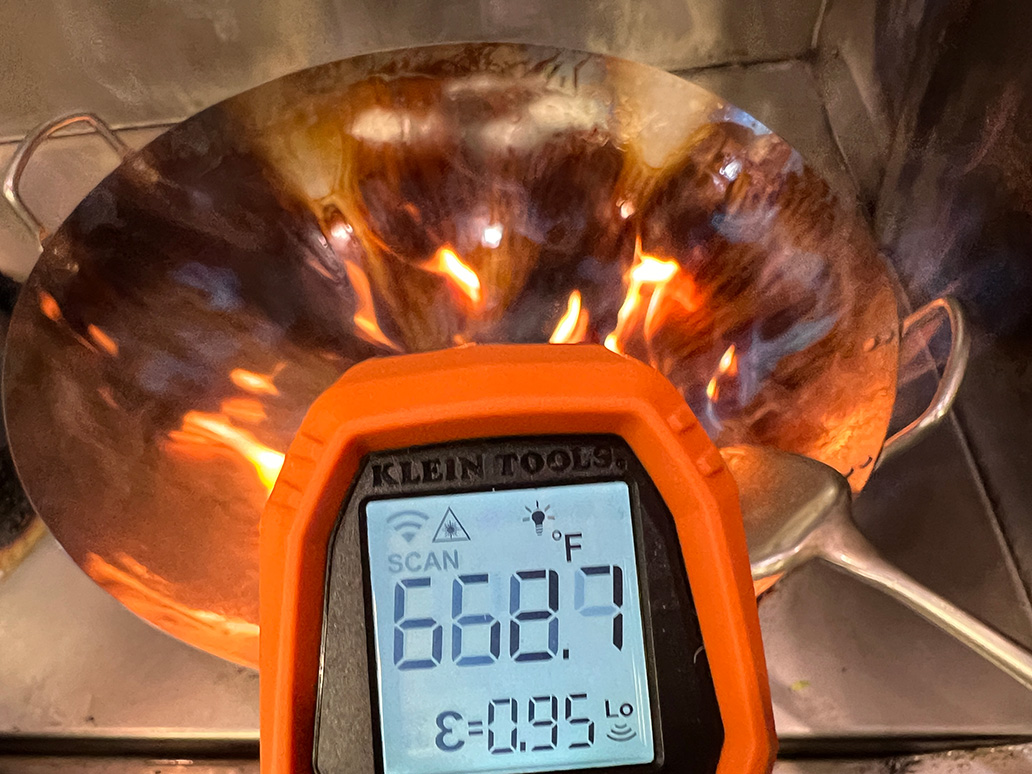
One of the defining characteristics of Great Chinese Food cooking is the ability to control a wok at high temperature of over 600°F.
Chinese cooks sometimes describe the distinctive aroma and flavor produced through skilled high-heat wok cooking as wok hei, often translated as the "breath of the wok."
It isn't simply about making a wok extremely hot.
It is the result of temperature, timing, ingredient preparation, movement, moisture control, oil, seasoning, and the cook's ability to bring all of those elements together within a remarkably short period of time.
Fried rice puts those skills on display.
Too little heat and the ingredients can steam rather than fry.
Too much moisture and the rice can become soft.
Poor timing can overcook one ingredient while leaving another underdeveloped.
Too much sauce can overwhelm everything.
A skilled wok cook understands that sometimes the difference between ordinary fried rice and outstanding fried rice comes down to seconds.
Fried Rice Can Reveal the Skill of the Kitchen
There is another reason fried rice matters so much: almost every Chinese cuisine connoisseur knows what a Great Vegetable Fried rice is supposed to taste like. Many Americans have eaten fried rice since childhood. It has been a staple of Chinese-American restaurants for generations. That familiarity creates expectations.
That makes it difficult to disguise mediocre execution.
Fifty Five Seconds That Separate Good Fried Rice From Great Fried Rice
Fried rice may appear to be one of the simplest dishes on a Chinese menu, but in a high-heat wok kitchen, it can actually be one of the most technically demanding dishes to execute consistently well. Compared with dishes such as Beef & Broccoli, Orange Chicken, Chow Mein, and many other Chinese favorites, fried rice leaves remarkably little room for error because so much happens in such a short period of time. Once the rice hits the over 600°F intensely heated wok at Kung Fu Thai & Chinese, the chef must keep it in almost constant motion—stirring, tossing, turning, and separating the grains so they cook evenly without sticking or burning.
At the same time, ingredients must be introduced in precisely the right sequence: egg, vegetables, proteins, seasonings, sauces, and aromatics all need their moment in the wok without disrupting the texture of the rice. Too much sauce too early can make the rice soggy; too little movement can scorch it; incorrect timing can overcook one ingredient while another remains unfinished. Much of this critical cooking, seasoning, and constant wok movement can take place within a window of roughly 55 seconds, requiring the chef to rely on experience, rhythm, sight, sound, aroma, and instinct rather than simply following a recipe. That brief burst of controlled intensity is why truly great fried rice is not just about ingredients—it is a demonstration of wok technique, timing, coordination, and years of practiced skill.